About the Illustrations
Visualizing metaphorical poetry through AI-generated artwork
Each illustration in the Kenning Collection represents a unique visual interpretation of an ancient poetic form.
The Visual Challenge
Translating kennings into visual form presents a unique artistic challenge. How do you depict "Hope is Darkness-fighter" or "Music is Mathematics-made-beautiful"? The answer lies not in literal representation but in capturing the emotional and conceptual essence of these metaphorical expressions.
Our approach uses AI to generate images that exist in the liminal space between the concrete and the abstract, much like the kennings themselves exist between literal meaning and poetic truth.
Imaginary Artists

Under the hood, every image style reference—or LoRA (Low-Rank Adaptation) as it's called in some image generators—is just a very long string of numbers. However, this numerical sequence has an artistic character that is as stable and distinctive as any human artist's style.
When we began exploring AI-generated illustrations at StoryLeaf, we initially tried describing visual styles using conventional terms like "watercolor illustrations" or "70s picture books." But these labels proved inadequate—the styles were infinitely varied and resisted simple categorization, even with numerical variations like "watercolor style 5."
So we embraced a more poetic approach: naming styles after imaginary artists, complete with their own stories and artistic philosophies. This method honors the creative complexity of AI-generated art while acknowledging that behind every style lies an implied creator with their own vision.
The Kenning Collection is brought to life through the collaborative vision of two distinct imaginary artists:
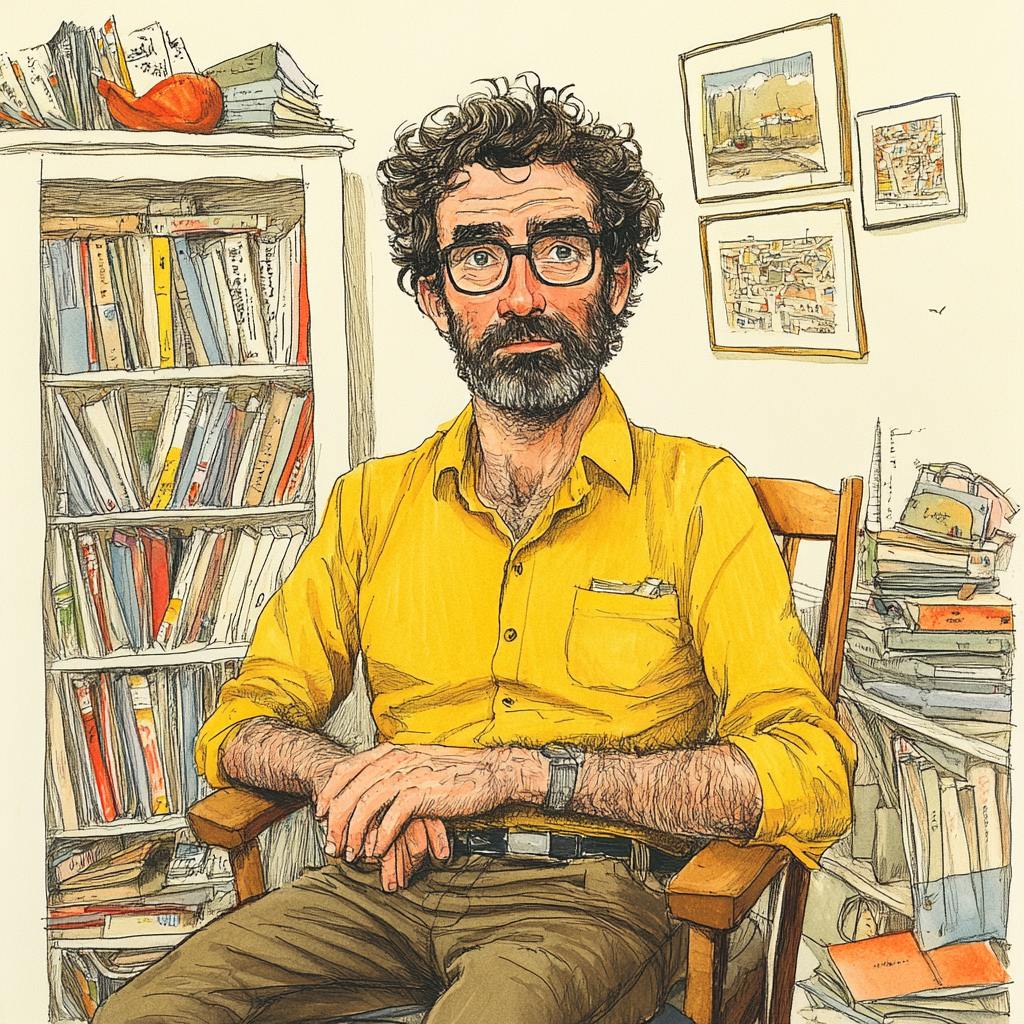
Lucien Dufresne
French book and comics illustrator from Marseille, he has a special place in his heart for all things medieval
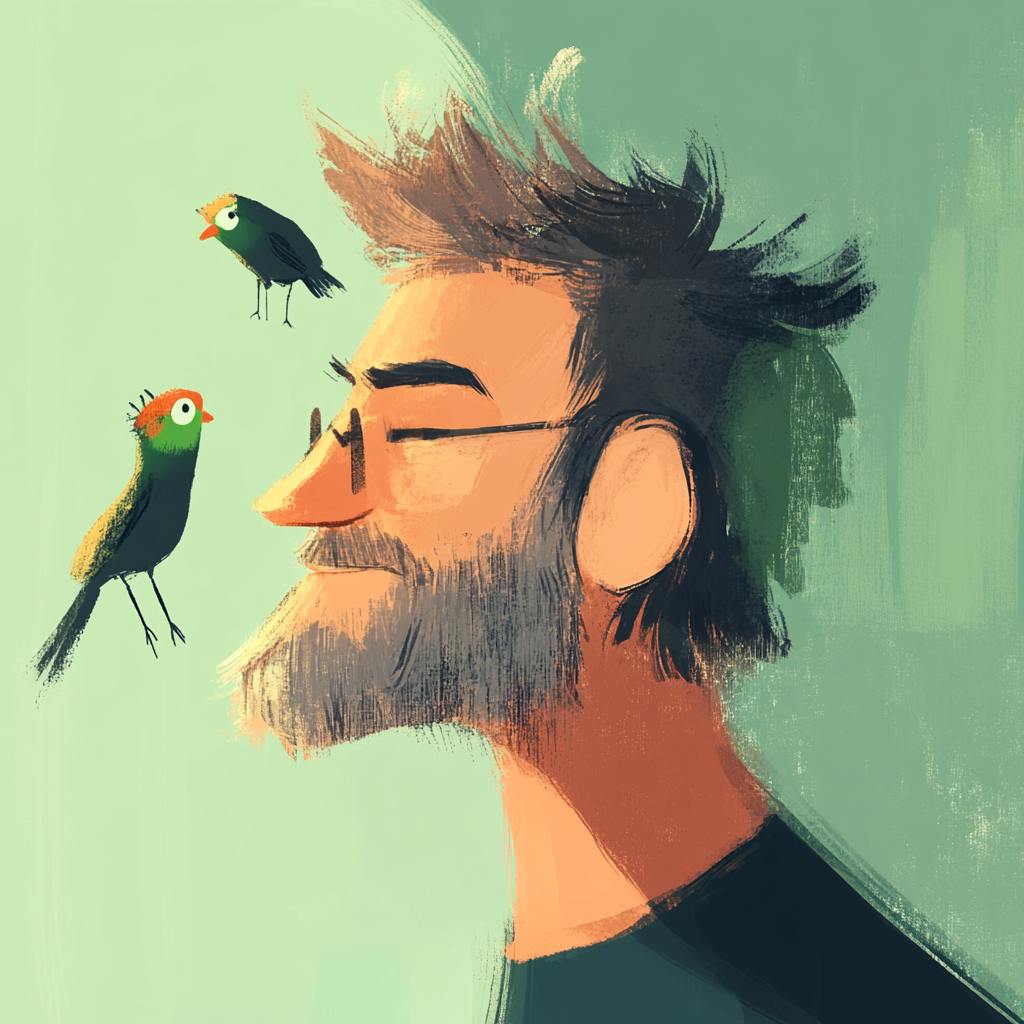
Gabriel Moss
While Gabriel Moss is just a number (and we are not going to tell it as it is a PI(IA)I), he definitely has an artistic character, therefore he exists as long as he can draw one more frame
AI as Artistic Collaborator
The AI system used to generate these illustrations doesn't simply follow instructions—it interprets, synthesizes, and creates. By training on vast repositories of art history, symbolism, and visual culture, the AI brings its own "understanding" to each kenning.
This collaboration between human curation and AI generation produces results that neither could achieve alone. The human provides context, meaning, and aesthetic judgment, while the AI offers unexpected visual connections and limitless creative variations.
At StoryLeaf, we continuously explore the best LLMs, image generation models, and emerging AI technologies to better translate human creative intent into compelling visual narratives.
Future Directions
The Kenning Collection represents just the beginning of our exploration into AI-generated visual poetry. As AI technology evolves and our understanding of visual metaphor deepens, we look forward to creating even more nuanced and expressive interpretations of these timeless poetic forms.
Each illustration in this collection is both an ending and a beginning—a completed artwork that also serves as an invitation to see language, imagery, and meaning in new ways.